

10 Favorite Recent Docs
In alphabetical order! From Aug & Sept!

Apparently, if I’m to look at the obsessively-compiled list of films I watch, 90% of the films I watched in late summer and early fall are documentaries. Not shocking, especially since 1) documentary is my main subject of research, and 2) I watched a loooot of great docs at the Visible Evidence conference in early August. So I figured, why not a doc-only list? (For reference, I did see two great fiction films during this time: Sorry Baby and Boys Go to Jupiter! More on this, probably, in a later post). For now, enjoy these multiple and multitudinous truths! In alphabetical order.
City of Toys (Alan Marcus, 2024)
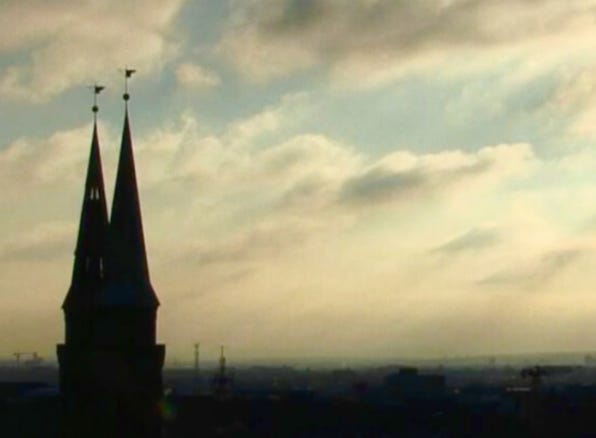
This short film is, on one hand, a document of the director’s audio interview with infamous Nazi Leni Riefenstahl from 2001; this document is stunning and horrifying, and it’s incredible to see the unrepentant Nazi exclaim about her films as pure documents, telling “truth” rather than being the most famous works of propaganda in global film history. In essence she repeats the same argument she made in a 1966 Cahiers du cinema interview, which I’ve been personally obsessed with since I read it, and included in my book draft. On the other, the film is also an observational, associative meditation on Nurenmberg as a city of “toys,” implying important questions about complicity, and unveiling the ghosts of past horrors in seemingly-banal city landscapes.
Dry Ground Burning (Joana Pimenta, Adirley Queirós, 2022)
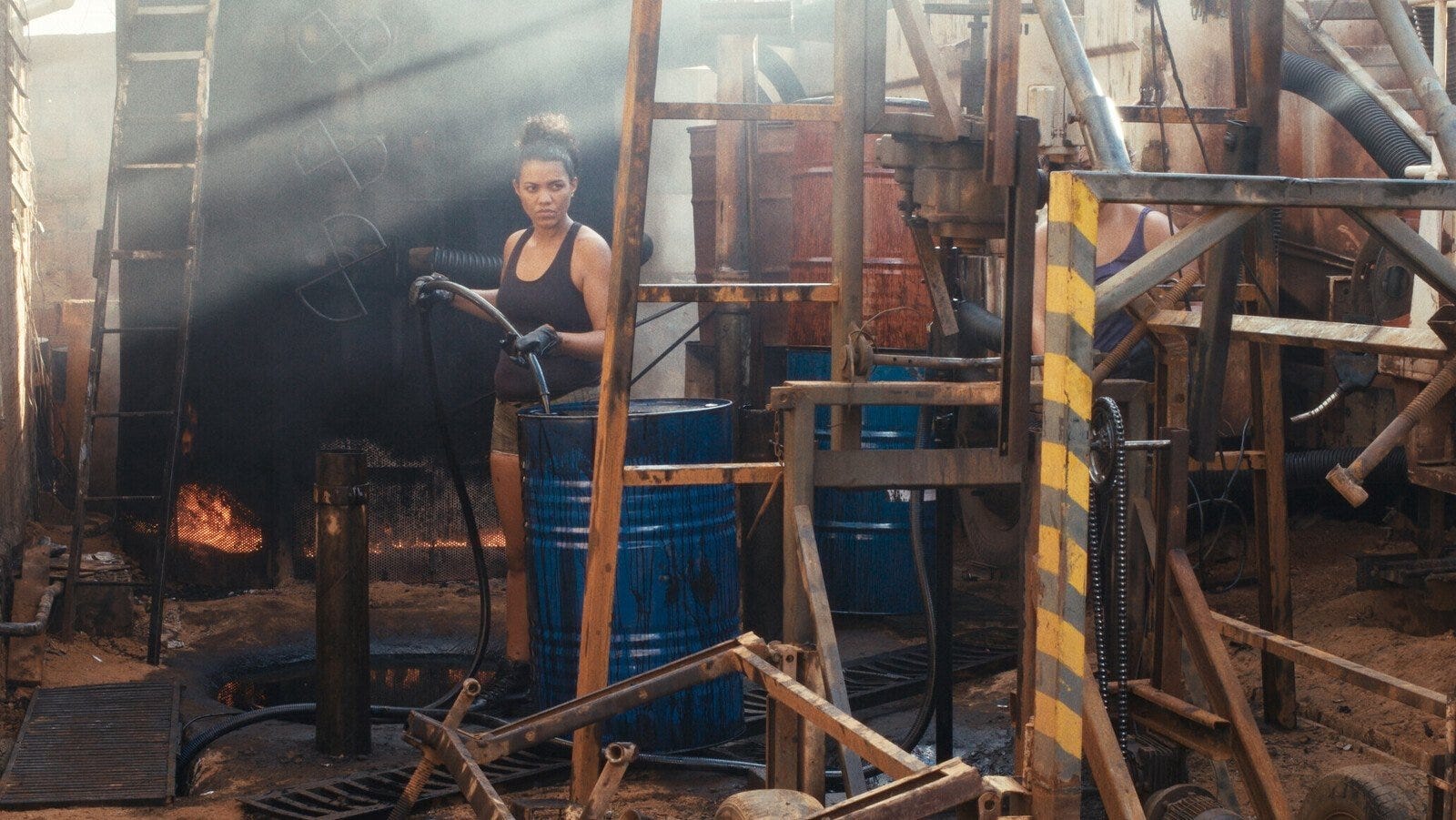
2.5 hours is a long time for a documentary, but, to its credit, 1) the film is actually a hybrid dystopian sci-fi-cum-documentary (the best!), and 2) there are moments that are truly so powerful and beautiful that I rewatched them after finishing the entire film. The story follows women who steal oil from refineries and sell it for cheap to poor populations, a kind of badass queer/lesbian criminal underground in Brazil, but featuring complicated women who also run for political office in order to represent their underground class. It’s challenging and also, deeply, badass. Also I went to grad school with Joana! And am so proud of this powerful and extremely cool film!
Folktales (Heidi Ewing, Rachel Grady, 2025)
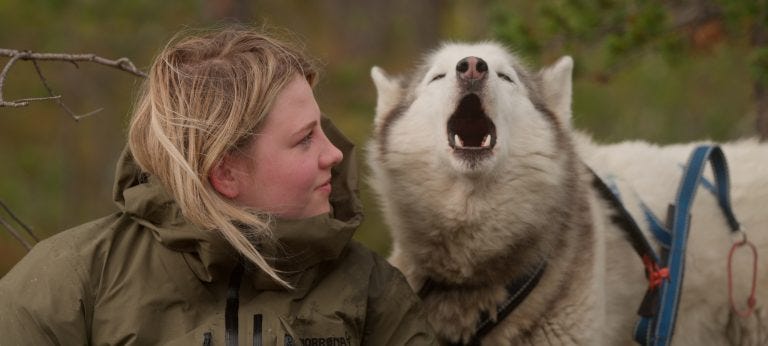
I admit I watched this documentary with tremendous jealousy, as it centers a school in the north of Norway that teaches post-secondary young adults wilderness skills in the arctic. (If only it had existed when I was 21! If only I had known! If only I had been brave, then, to do something like this!) Following a small group of students struggling with life— with social media and social expectations, with making friends, with finding their way in the world— the film shows the effect of the school on these students. Some succeed beyond their wildest expectations; some flounder and need to take time off; some find a surprising skill set they hadn’t imagined; all, in some ways, struggle, and the film explores this struggle as a soft and mindful catharsis.
In Excess (Melissa Langer, 2025)
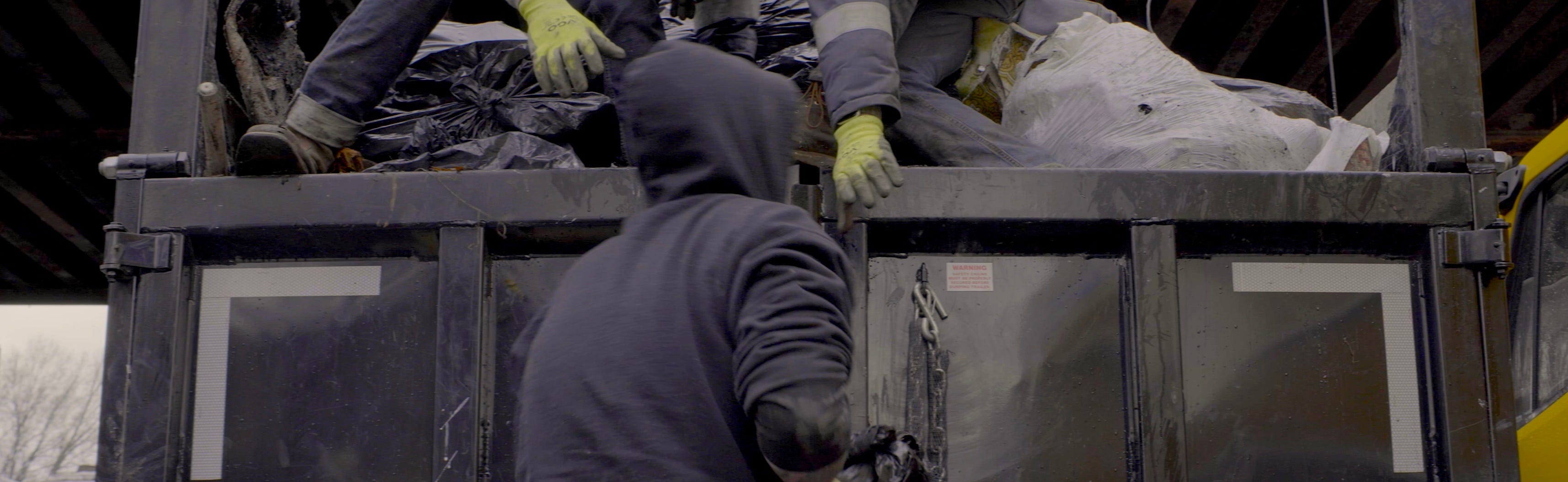
This film was one of my very favorite films from Visible Evidence, and it’s no coincidence that it also played at the Rockaways Film Festival. Created through a grant that allowed the filmmakers to access behind-the-scenes footage from sanitation centers in Philadelphia, the film incorporates observational footage, security footage, and interviews with city officials—especially low- and middle-level managers in charge of prosecuting people who dump trash. The images of city trash around Philadelphia are genuinely hypnotic, and the film also weaves archival footage of a news story from about 4 decades ago, in which Philadelphia officials attempt to send literal cargo ships full of burned, toxic garbage to West Africa. Truly incredible. A must-watch for any leftist!
Little, Big, and Far (Jem Cohen, 2024)
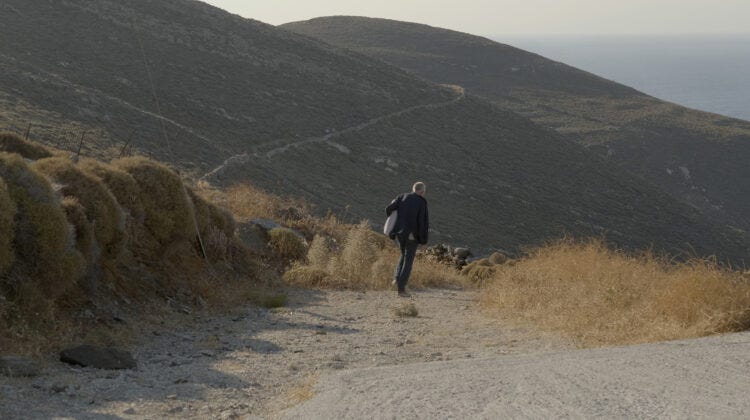
This was my first Jem Cohen watch, and I know this filmmaker has a pretty significant cult following. I admit that some aspects of this documentary— that really is more of a semi-documentary, or hybrid film, or fiction film with documentary elements, or even a mockumentary— rubbed me the wrong way (specifically, the film’s implication that science as something inherently political, which I don’t believe). But, I love any attempt to bring the world of the sciences into something sensorial, visceral, and affective. Ostensibly about an astronomer contemplating the “little, big, and far,” the film is more a reflection on the modern world, and our inability to access truly dark skies. This is something I think about a lot (I am constantly trying to access Dark Sky spaces), and I found myself very affected by the film’s poetic approach to the question, despite its flaws.
Our Machines (Dylan Howell, 2025)
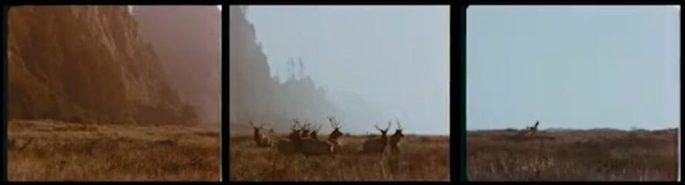
There is VERY little about this film online, which is a little bit shocking because of the absolute beauty of its imagery! The film reassembles a “forgotten hybrid documentary” titled US which came out in 1968 and was directed by Alexander Hammid. The original film was narrated by WH Auden (!!!) and was the centerpiece of the US pavilion for the 68 San Antonio World’s Fair. Originally it featured three 70 mm projections, and the film screened for over 6 million people. This stunning version of the film, which is lacking the Auden narration (which I believe was lost), configured the three screens into a widescreen format. It is so very 60s, featuring a hippie couple that drives across the beauty of the United States and emerges into a traffic-filled hellscape. The critique of capital is not just implicit, which is probably why we just don’t discuss it anymore. The directors call it a “message-in-a-bottle” film, and I so wish it were easier to screen and access— like Koyanisqaatsi with a groovy, poetic irreverently 1968 vibe.
Please Hold (Alexandra Juhasz, 2025)
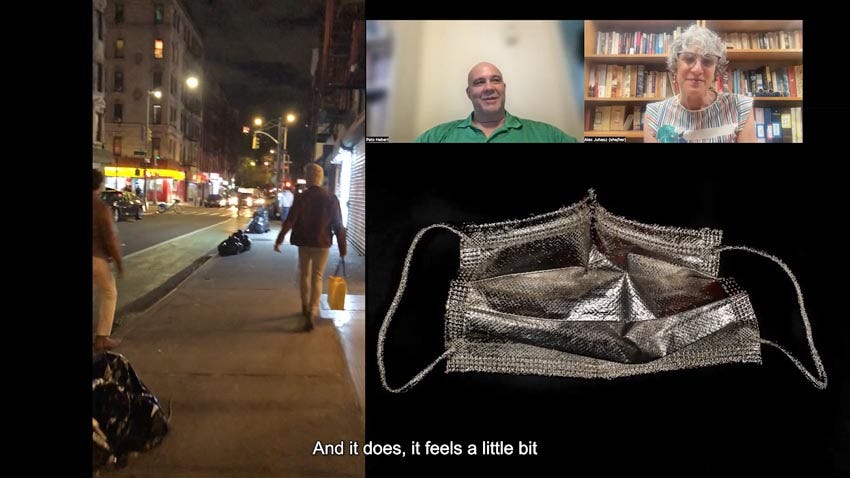
I adored this tender film by my friend and mentor. Compiled from two films she made previously, both at the request of two dying friends: Jim and Juanita. This film brings together these separate videos and also adds contemporary reflections on grief, survivorship, the AIDS epidemic, queerness, feminism, technology, etc. The film gently collages a variety of formats, from VHS, hi-8, digital video, and zoom, and creates a very powerful experimental doc that is that much more affective for its handmade quality. Like all of my favorite films, it made me want to make films— which, I hope, is the highest compliment you can pay an artist-activist.
A Prayer (Sofia Bohdanowicz, 2013)
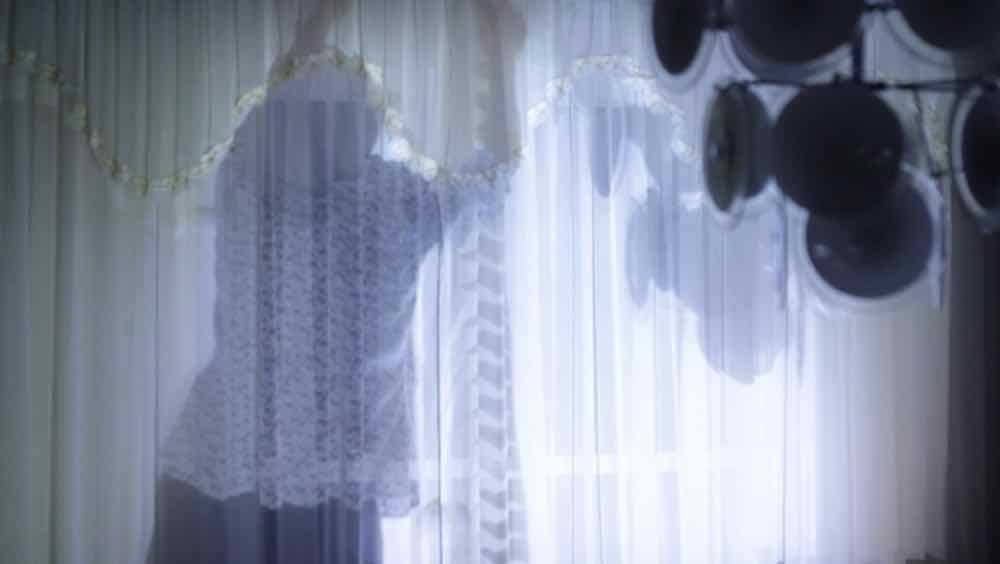
Many of Bohdanowicz’s short films were leaving Criterion a few months ago, and I loved them all, but especially this experimental documentary featuring an elderly woman—ostensibly the filmmaker’s mother—going about her day, and also featuring the words of the elderly woman’s mother-in-law, Polish poet Zofia Bohdanowiczowa. The film, also tender, moves from scenes of the everyday into the poetic register with softness and grace. The film is not really a representation of exile, and still it feels like exile, somehow, because of its form, the evident foreign Eastern European-ness of the mise-en-scene, and a general aura of grief and melancholy.
Sweetgrass (Lucien Castaing-Taylor, 2009)
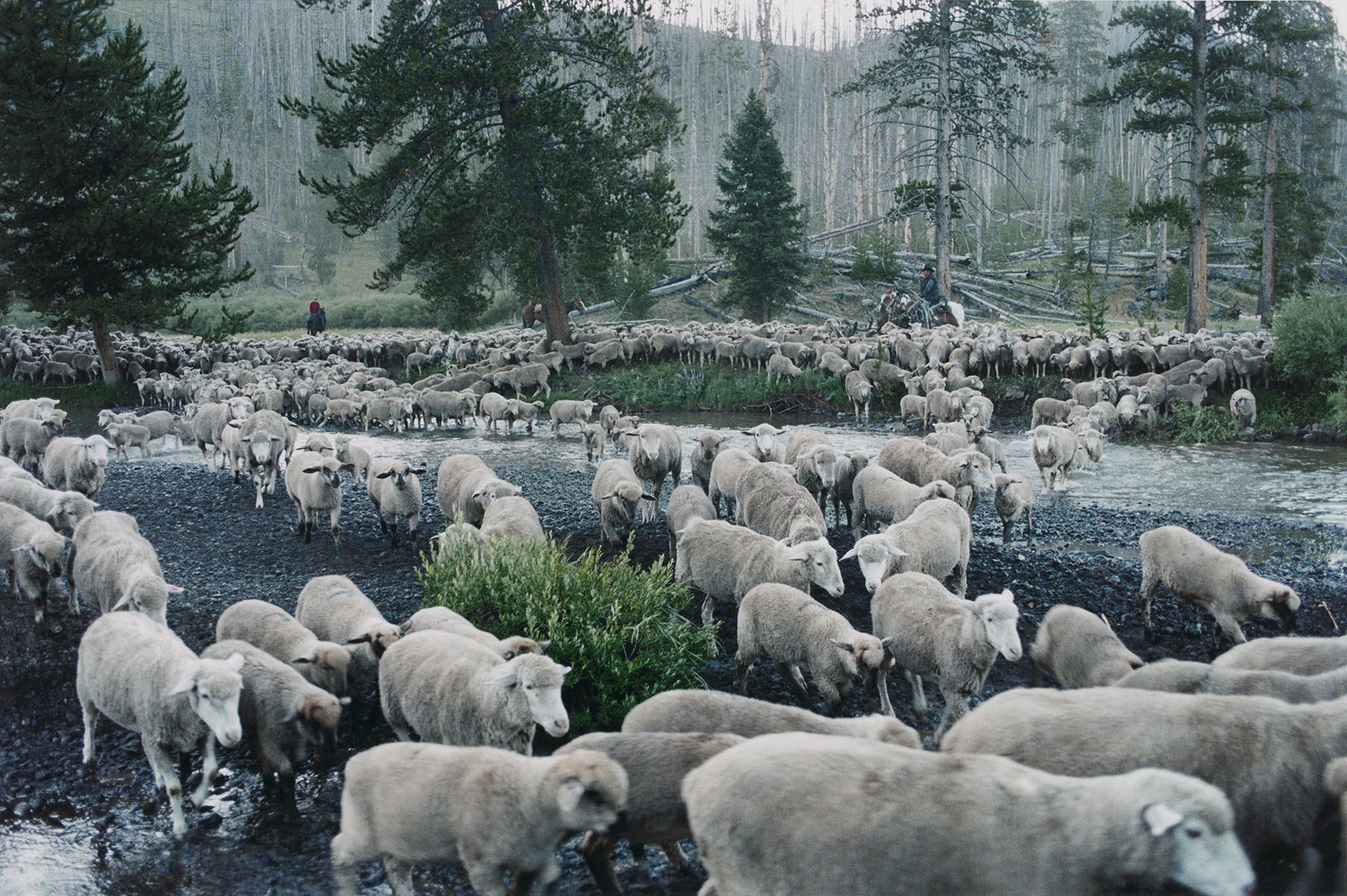
I’ve been teaching Castaing-Taylor and Verena Paravel’s film Leviathan (2012) for almost 10 years, and I’m so happy that I finally watched Castaing-Taylor’s earlier film, also made through Harvard’s Sensory Ethnography Lab. In grad school, I thought the SEL was the coolest thing. I had several friends (like Joanna, above) making films through the program, and looked at everything they accomplished with tremendous awe. In retrospect, these are probably not exactly the documentaries I would make if given the funding/option/time, but Sweetgrass is as hypnotic as Leviathan and then some. Using their specifically SEL strategy of deep, sensorial immersion into a space in which the line between humanity and nature is blurred, Sweetgrass follows American sheep herders as they take their sheep to the mountains of Montana for summer pasture. I was sold on the film even before several Great Pyrenees and Border Collie dogs appeared in the footage!
The Wild Girl of Brushvalley Township (Heather Cassano, 2025)
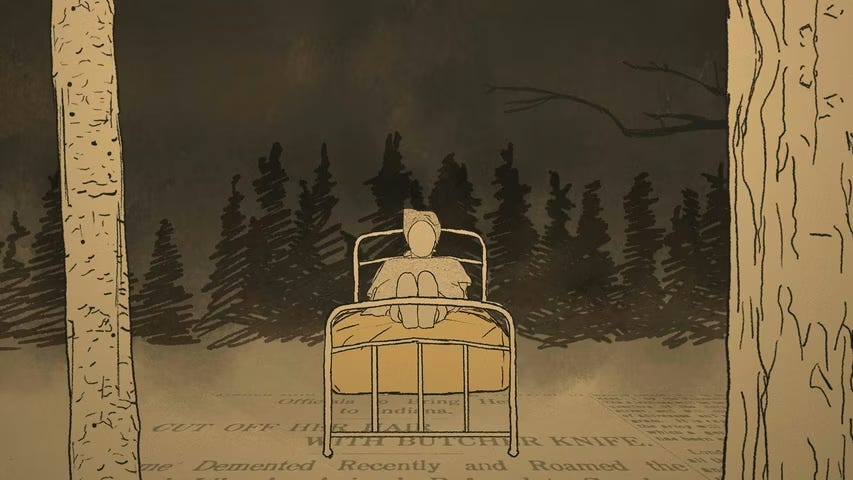
This, I admit, was probably the most disturbing film I saw at Visible Evidence. The film uses interviews and animated retellings to illustrate the story of Minnie Adams, one of at least a million people in the US who died in mental institutions. The filmmakers interview archivists who help fill in possible details of this person’s life, and what results is a heartbreaking narrative, and a deeply chilling one. The combination of archival footage, looser not-quite-talking-head interviews, and soft, somewhat abstracted animation was deeply affecting. Despite its disturbing nature, I would happily watch this film again and again, and find its form perfectly fitting the narrative.
All for now! Until next time,
xo-J